Blog ·
Choosing Materials That Reflect Your Modern Aesthetic
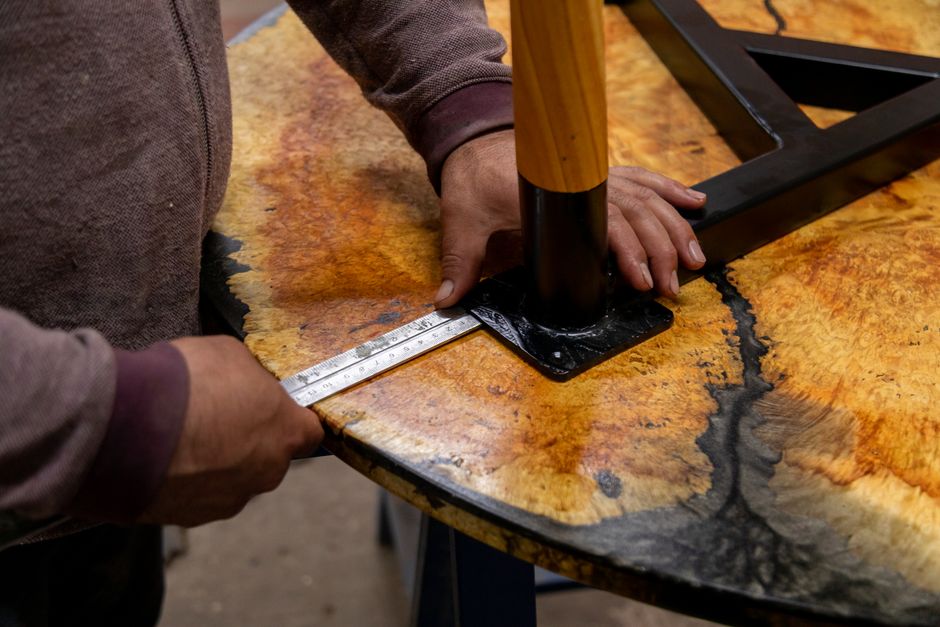
Material selection is perhaps the most consequential decision in designing bespoke furniture. The materials you choose determine not only how your piece looks, but how it performs, ages, and fits within your home's overall design language. Modern furniture celebrates a range of materials—some traditional, others innovative—and understanding their characteristics helps you make choices aligned with your lifestyle.
Wood: The Foundation of Modern Craftsmanship
Solid wood remains central to contemporary furniture design. Walnut offers deep, rich tones and fine grain patterns ideal for mid-century modern aesthetics. Oak provides warmth and pronounced grain character. Maple delivers clean, contemporary lines with a pale, neutral palette. Reclaimed wood brings history and environmental consciousness, with authentic patina that evolves over time. Consider wood species based on the room's lighting and your home's color scheme.
Upholstery and Textiles
Fabric choice significantly impacts how your seating performs in daily life. Natural fibers like linen and wool offer breathability and elegance but require more careful maintenance. Performance fabrics engineered with synthetic fibers resist staining and fading while maintaining sophisticated aesthetics. Leather develops a distinctive patina over years of use, becoming softer and more character-rich. Consider your household's activity level when evaluating durability versus maintenance demands.
Metal Accents and Hardware
Steel, brass, and iron legs and frames introduce modern visual interest while providing structural support. Brushed stainless steel suits minimalist interiors, while brass brings warmth and subtle luxury. Metal hardware—drawer pulls, hinges, and joints—can be understated or become intentional design features.
Emerging and Alternative Materials
Modern design increasingly embraces sustainable and innovative materials. Engineered plywood provides stability and precision while reducing environmental impact. Cork and bamboo offer eco-conscious alternatives with unique aesthetic qualities. Glass shelving creates visual lightness in otherwise solid pieces. Concrete tops bring industrial elegance to dining and work tables.
Harmonizing Materials Within Your Space
Your bespoke piece should complement existing furniture and architectural elements. If you're introducing warm walnut, ensure it coordinates with existing wood tones. If selecting upholstery, consider how it relates to your wall colors and flooring. Mixing materials—combining wood with metal, leather with linen, solid surfaces with glass—creates visual interest and reflects contemporary design principles.
Quality materials age beautifully when properly maintained. A well-chosen bespoke piece becomes more valuable over time, developing character while maintaining functionality. Invest thoughtfully in materials that reflect both your aesthetic preferences and your home's practical demands.